IU SPEA/MPA – 2019 – 2021 Projects

Local Development Public Finance Model Workshop

By Justin Ross, IU Professor of Public Economics

History of the partnership and projects – County Financial Decision Support 

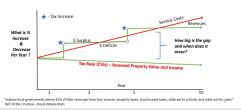
Link to the above graphic –Overall Concept County Financial Decision Support

Project Context – Regional Support and Partnerships:

  • Regional Opportunity Initiatives  – Upland Region. Brown County is in the “Uplands Region” and has received ROI grants to support housing studies, Ready Communities, and Ready Schools.
    • Given an assessment by Michael Hicks of Ball State that “54 of Indiana’s 92 counties are in absolute population decline,”  support for “Financially Sustainable Counties” may be of help to the region.
  • IU Center for Rural Engagement

Project Update – meeting notes below: Follow-Up Video Conference – 9/20/2019.  Roger Morris, Jomar Floyd

Data Warehouse and Examples.  A data warehouse can be used to store the information provided to the State from the Counties to support analysis and decision making.  Information from the State is available to download and can be transferred to a data warehouse.

Data Warehousing > Concepts > Data Modeling – Conceptual, Logical, And Physical Data Models  – 2018 County Financial Decision Support Model Data Sets

Application Examples:

Example – Current Situation (Status Quo).  Analysis of property assessment trends with data available through the Department of Local Government Finance (DLGF).  Data had to be downloaded one year at a time to manually develop a consolidated spreadsheet.

  •  Property Assessments and Taxes 2012-2019  with follow-up support and analysis provided by DLGF.  (Assessments correlate to revenue)
  • Article on the topic Brown County Democrat – April 9, 2019. BCD, Property tax bills are in the mail by Sara Clifford.  A property’s assessed value is one of the figures used to calculate a tax bill. … Overall, the net assessed value of property across all of Brown County — the taxable value after exemptions are subtracted — has grown by $35.5 million since tax year 2017.
  • “First-Ever – County Financial Plan (2019-2021). The intent is to update the plan every year after the annual budget has been approved by the State.  (This plan does not include a capital improvement plan).
    • The 2020 County Budget Process — example of “pulling it out of the air” when it comes to making decisions resulting in increased property taxes.
  • The County GIS System (https://brownin.wthgis.com/) provides five years of data on assessments and tax trends that can be stratified by type of property (commercial, residential, farm) as well as by areas such as neighborhoods and township.
    • The auditor, treasurer, and assessor provide files to the GIS vendor to update the GIS-based maps.
      • G-UTS is used to manage property
      • LOW Associates LLC software will be used by the end of the year for financial information associated with the assessments and payments.

Support for County Financial Decisions Support – the Concept – (See above graphic)

    1. Revenues – Can include “total revenues and expenses” which can be from all sources or just one account or subaccount.
    2. Tax Increases (or transfers) can include income, property, other OR can include revenue from “Transfers.” For example, money from a Rainy Day Fund is transferred to cover a deficit in another account or expense such as health insurance.
    3. Historical and Trend Data  is critical for timely and effective decision making.
    4. An understanding of tax policy another needed knowledge area.
    5. What-if analysis.  If data easily available, projections can be made to anticipate economic impacts, assess the effects of any policy changes (such as on taxes) or any economic development-related strategies.

 History – IU SPEA/MPA Support for Brown Country


Other Projects Indiana
Office of Community and Rural Affairs (OCRA). Community Vitality Indicators (CVI) that could be supported through a data warehouse and analytic support.

  • Data indicates that 54 of Indiana’s 92 counties are in absolute population decline. This means that the outward migration exceeds the inward migration by margins significant enough that the net gain between annual births and deaths is insufficient to make up the difference. In some counties the deaths already exceed births. In addition, 24 counties are growing at a rate slower than the country as a whole and are classified as being in relative decline. At best the current growth rate casts them as neutral.
  • Healthy communities share certain characteristics and these characteristics provide CVIs that Indiana communities can benchmark to gauge their vibrancy. These characteristics should guide community discussions and plans should be developed to encourage them.
  • 2016 Assessment – Community Performance Indicators (CPI).  The CPIs are supplemented with data from The Center for Business and Economic Research at Ball State University. (Note the term “Performance” was replaced with “Vitality” in 2017.
  •   Purdue Support – CVIs

General Info – County Tax Sales

Per the County Treasurer:

Mary Smith We take payments on tax sale eligible properties until 4pm the day before the sale. If someone came in the morning of the sale to pay I, of course, would take their payment, but that doesn’t happen very often.

A list of the current eligible parcels will be in the paper next week. Also current lists are available every day on our vendor’s web page. It updates every day.

BCM Facebook Post that generated the discussion


Part 1 – Discord in the community – better strategies needed ?

Discord in the community – better strategies needed?
By Tim J. Clark
UpdatedSeptember 14, 2019

The controversy over personal beliefs and professional conduct involving the Farmers Markets in Nashville and Bloomington, Indiana escalated to the point that resulted in regional, state and national attention.  The issues are unlikely to be resolved any time soon by applying current methods that include demonizing the opposition until they admit the error of their ways.   An attacking (suboptimal) approach typically results in making a situation even worse.

Background

The owners of Schooner Creek Farm (SCF) hold personal views and beliefs that are objectionable to other individuals in the community who have petitioned to have SCF removed from the City of Bloomington’s Farmers Market (BFM).   Preceding this petition, a similar effort was successful in removing SCF as a vendor in the privately-run farmers market in Nashville, Indiana.

Sarah Dye, co-owner Schooner Creek Farm, states in an August 28, 2019, online interview that they are considering legal action.

This an interesting story not only from a legal aspect but from a political and cultural perspective as well. The situation provides an opportunity for the community and all key stakeholders to re-assess the effectiveness of their respective approaches and make any needed adjustments.

Summary of Recent  Events

SCF has participated in the BFM for nine years.  The BFM coordinator reinforced the position that Schooner Creek Farm (SCF) has honored the rules of the market and has treated customers with respect.  Several lawyers that teach or have taught at Indiana University (IU) have also reinforced that the market cannot remove a vendor for exercising their first amendment right.  The ACLU has also reinforced that the city would be sued if they removed the vendor or applied workarounds with the intent of circumventing the First Amendment.

Legal Frame of Reference

Steve Sanders – Associate Professor – IU Maurer School of Law, has been among the most active on social media in providing a legal and historical context for this situation. Mr. Sanders provided a follow-up statement to my interpretation of the comments he made on the August 2, 2019, WFIU – Noon Edition – Panel Discussion in which he states:

  • I will weigh in to clarify the above description of what I said on Noon Edition. Sarah Dye calls herself an “Identitarian” and has posted on a server used by the Identity Evropa group. (1) So, there is no question she has affiliated herself with white nationalist/supremacist politics and ideology. That is not a crime and, in itself, cannot get her ejected.
  • The point I was trying to make on the radio was: So, what is it proper to infer from that?   Those advocating her ejection from the market have strongly implied that such ties are tantamount to endorsing (if not actually planning) violence, extreme forms of Nazism, etc., and have also implied she is somehow complicit in the Carmel synagogue vandalism because she had dinner with the perpetrator. That’s the guilt by association I was talking about. My point was that affiliations and linkages can be ambiguous and that it is irresponsible to use them to imply the worst possible meaning in the absence of proof of exactly what someone believes or seeks to accomplish. I’m a Democrat, but that doesn’t mean I automatically embrace what every leader of the party stands for.
  • So, in short, there is good evidence Sarah Dye has done things to affiliate herself with white supremacist groups, but the meaning of that affiliation for her, and the exact nature and contours of her own beliefs and agenda are what remain unknown.“

(1) It’s been reported that Identity Evropa has been re-branded American Identify Movement (AIM). Aim’s website lists the positions and beliefs of the group. This allows their actions to be compared to their rhetoric.  Their position include the following:  “AIM prohibits the advocacy of or participation in supremacy, violence, or illegal activity.”

Sarah Dye in an interview by Fox59  stated the following: “As an Identitarian and an American, I am disgusted at the level of lies, misinformation, falsehoods, and intimidation by those who do not know me or my family,” said Dye.”  Dye defined Identitarian as, “a way of viewing the world that emphasizes the importance of identity.

Three individuals that teach at IU and two other IU employees that have been involved in the protests, have taken action and expressed comments on social media that would appear to be in violation of IU social media policy if conducted on IU-affiliated social media accounts. Their comments using their personal accounts are likely protected by the First Amendment but may still be subject to civil action.

  • IU Legal Information, Policies and Incidents.  Make sure you’re adhering to social media policies. … you may not post any intentionally malicious, defamatory, degrading or hateful material. This does not include frank discussions, criticisms or opinion, which are protected under free speech.”  Other prohibited activity includes Lewd or indecent conduct, Threat of physical harm; Illegal discrimination, Harassment.

The mayor has made statements in support of the protestors that likely contributed to a hostile environment, escalation of the situation, and animous against SCF.  These actions also likely contributed to the market shut down for two weeks. The protests have led to a near 50% reduction in visitors to the market this year.  Can the mayor be held legally accountable for the results of his actions that include the adverse economic impact on the vendors?  When would the Mayor’s actions become a civil rights violation?  

The shut down of the market had a detrimental economic impact on all the vendors. The mayor’s justification included indications of a “threat.” Has the Bloomington Police Department charged anyone yet for making threats?  Allen for Monroe County removed a Facebook post because of the nature of the threats being posted by the protestors on his Facebook page.

Local Media

The local media with a few exceptions have also been complicit in disseminating “allegations” without context that have contributed to the escalation and perceived fear in the community. The coverage has had detrimental impacts on the reputation and safety of the SCF vendors. What are the professional ethics and legal issues associated with this story?  Laura Land, (Bloomington) Herald-Times addressed this issue in her Commentary: “Don’t forget the First Amendment.”

  • The Herald-Times has published multiple articles on the farmers’ market developments. We have done our own research. We have reviewed court documents, emails, videos and recordings that so many claim is proof that the owners of Schooner Creek Farm are white supremacists. Direct evidence, it isn’t there.
  • When a news organization publishes a false statement that damages a person’s reputation, that’s libel. I make sure, just about every day, to not libel anyone. Not just because I could be sued, but because it’s important that the information we report be accurate. We cannot and do not print accusations that can’t backed up with tangible stand-up-in-court proof.

 State and National Media Attention

The situation in Bloomington has escalated to the point that it has received attention from the traditional and alternative media within the state and nation. This includes Fox59 tv in Indianapolis as well as coverage by the New York Times, the Nation, American Greatness, and Red Ice tv/3Fourteen radio.

Individual protestors have also perpetuated allegations inferring associations absent of evidence that supports their assumptions. These include the claims that the vendors and just about anyone else that disagrees with the position of the protestors are Nazis of the WWII variety. The actions of these protestors may also be subject to legal repercussions. The “No Space for Hate” group endorses the slogan “ Don’t buy veggies from Nazis.” They recently supported a joint march on a public street with a masked and black-clad group that led to a confrontation with a motorist.

The association of “white” supremacy with world war II era Nazism is also interesting. The Nazis believed that only “certain” whites (Aryans) were racially superior. Hitler considered the Japanese as “the Aryans of the East, called by destiny to rule Asia.” Hitler’s victims were white.

Politically, the issue falls within the left (liberal) vs right (conservative) diatribe. Jonathan Haidt is a leader in the field in identifying strategies that can be used to develop understanding and help narrow the divide between liberal and conservative paradigms. For more information, see the “The moral roots of liberals and conservatives.” (TED Video)

Haidt identifies five foundations (channels) of morality and concludes. “Liberals have a two-channel morality (Harm/Care, Fairness/Reciprocity) and conservatives five.” (Reference – the nine-minute mark of the video).

  • Harm/Care
  • Fairness/Reciprocity
  • Ingroup/Loyalty
  • Authority/Respect
  • Purity/Sanctity

Indiana University

What may be just as concerning is that with the capabilities and expertise available at IU, the university – with a few exceptions, has been relatively dormant on this situation.

Politically, Bloomington is a “blue” (liberal) city in a “red” (conservative) state. This situation provides an opportunity for faculty and students in many academic disciplines to discover and apply better approaches to help develop a better understanding and resolution of controversial and systemic issues. These disciplines would include history, political science, psychology, religious studies, business, sociology, philosophy, and law to name a few.

For example, the IU Food Institute in conjunction with the IU Center for Research on Race and Ethnicity in Society scheduled a planning session on September 3, 2019 to “discuss issues raised by the recent farmers market controversyin Bloomington and what sort of role we (IUFI, CRRES, IU more generally) might play going forward, including the possibility of planning a larger community event.” The announcement then recommended reading a post titled: Farmers Markets And Whiteness.  This post includes a link to a June 20, 2015 article published in the  New York Times titled: OPINION What Is Whiteness? By

  • We don’t know the history of whiteness, and therefore are ignorant of the many ways it has changed over the years.
  • Eliminating the binary definition of whiteness — the toggle between nothingness and awfulness — is essential for a new racial vision that ethical people can share across the color line.

IU Food Institute – Sept Newsletter – Farmers Market  – Feedback from the Sep 3 session

National Challenges – Local Solutions

The U.S. Founding Fathers designed a system of government that could be continually improved in pursuit of “a more perfect union.”  We are a nation of laws that includes a justice system that albeit imperfect,  supports the discovery of truth in pursuit of justice.  An individual can have their day in court where they are considered innocent until proven guilty beyond a reasonable doubt. The system allows for a fact (evidence, proof) based debate between opposing parties – prosecutor and defense which presents the information needed for a jury to arrive at a decision.  The judge and appellate courts help ensure compliance with laws.

With social media, emotions can dominate the discussion and the “crowd” assumes the role of judge, jury, prosecutor, and defense. Statements lead to perceptions which become a reality for many.  Perceptions are shaped by many factors to include predispositions that are influenced by factors that include cultural, political, social, emotional, and intellectual.

In the case of SCF and with a few exceptions, the local media has helped shape the debate through the dissemination of “allegations” without context that generates “clicks” and online comments.  Individual posts in response to these articles can add to the polarization and divisiveness. This has contributed to the escalation of the conflict, incited fear and damaged reputations.

The justice system provides the checks and balances on abuse of power by the media.  Even if the media and individuals are found at fault for their actions and pay a financial penalty, significant damage has already been done.

A way-ahead

The SCF issue provides an opportunity for the media, the community, and IU to consider developing better methods and strategies for working through the controversial issues. The ideal is a method and process that produces results where everyone benefits, or at least, are not any worse off in the long-term.  The alternative is more of the same that will likely lead to more escalation, reduced attendance at the market, and a community that has decided to choose conflict over progress.

References and additional information

Part 2:  Discord in the community – better strategies needed?

Part 3:  Discord in the community – better strategies needed?

Blog post including a timeline of key events and links to media coverage:  Wanted: Tolerance, Understanding, Collaboration, Progress
 

BC Leader Network – Jackson Township

Background Information on the Program – Brown County Leader Network

Application Examples – for Jackson Township

2019_01_03 Strategic Plan – Jackson Township

20191011 Stakeholder Community Jackson Township Trustee

2019_08_15 Assessment – SWOT Jackson Township Trustee’s

Jackson Township Reports:


GUEST OPINION:  Septics and Sewers -major changes proposed

Guest Opinion to be published in the Brown County Democrat, Wednesday, Aug 25, 2019  GUEST OPINION: Septics and sewers — major changes proposed By Tim Clark

In his August 13, 2019 guest opinion column in the Brown County Democrat, What you can learn at the county’s Septic Summit, Brown County Regional Sewer District (BCRSD) board member Clint Studabaker reinforced the importance of septic system maintenance and raised issues that should be of concern to all Brown County citizens.

I highly recommend attendance at this educational event on September 3, 5-8, p.m. at the Brown County Fairgrounds.  Given that approximately 90% of residences are on septic systems, education should be a recurring event in the county.  I think we all want a healthy and safe environment as well as elected and appointed leaders that can credibly define the scope and extent of a problem before proposing major changes.

Mr. Studabaker references results from a non-statistically-based survey supported by the Brown County Community Foundation that was conducted in 2008. This survey identified concern for the effectiveness of septics and sewers. He mentions that more information was gathered in 2009 and then used in the “Vision 2020 Plan.”  He then uses this information to infer that there is a need and a problem that could present health issues – an association that is misleading.

For instance, the past two BCRSD board presidents stated publicly that research was needed to determine if there is evidence of a documented need e.g., failed septic systems, in the Bean Blossom area.  Another myth has been in regard to the quality of the water in Cordry and Sweetwater Lakes. Water samples required by the State Board of Health have consistently shown minimal E.Coli in the water. An independent assessment of water quality indicates that the lakes rank as the #2 and #3 clearest lakes in the States indicating that the conservancy’s plan for managing septic systems is proving effective.

Note also the vision 2020 “plan” was a private-sector plan supported by the Community Foundation and the Brown County Partnership. The partnership was dissolved due to lack of participation and commitment from elected representatives. The 2020 plan was not a county comprehensive plan. A county comprehensive plan has to meet state requirements, which includes official public meetings, and approval of the plan by the county commissioners. Approval by the county council for any associated project funding is also a requirement.

Of significant importance is that major changes are being made and proposed for wastewater treatment strategies (sewers and septics) in Brown County that will affect almost “all” residents to include those that are buying and selling homes. This may be great news if you are a realtor, developer or in the septic system business. It may not be so welcome if you are at the low to moderate-income level, have a functional septic systems and/or expect the least intrusion from your government.

Mr. Studabaker is at the forefront of the septic and sewer initiatives – he is the primary leader of the BCRSD board that is proposing a wastewater treatment plant for Bean Blossom. He is also a member of the committee that worked on the proposed new septic ordinance. Mr. Studabaker has also written a grant proposal for a Wastewater Infrastructure Strategic Plan for the county which if accepted, can be a useful document if it follows accepted practices for fact-based analysis.

The Bean Blossom sewer project is now projected to be operational in 2021 – much longer than anticipated when the project was first announced at the BCRSD board meeting on June 19, 2018.   The board has spent approximately $170,000 of the $270,000 of “seed money” provided by the county council. The BCRSD has yet to acquire land and the latest strategy has been trying to acquire land deeded to Parks and Recreation. The letter to the Parks and Recreation Board from Ladd Engineering included the requirement to provide information on the Uniform Relocation Act of 1970: When a Public Agency Acquires Your Property. The brochure provides guidance on the government’s power to invoke eminent domain.  Some elected officials have also expressed a desire to withhold funding if Parks and Recreation did not approve a land transfer.

Parks and Recreation rescinded their vote to approve a transfer of land for a wastewater treatment plant. There may also be legal issues associated with a transfer that would also result in additional clear-cutting of the proposed site. Eminent domain is the tool that can be used to acquire “private” land “if ” a project is considered to be an important public good. Nashville used eminent domain to acquire the land for their sewer plant.

I continue to be concerned over the lack of due diligence and transparency on the Bean Blossom sewer project. Due diligence includes defining the scope and extent of the problems before proposing solutions. On the issue of transparency, I had to submit a formal complaint with the State to obtain public records from the BCRSD board. I recently made a follow-up complaint with the public access counselor who is working on the issue which involves a simple request – a review of the list that contains the names of the customers. The BCRSD board also promised a website in June of 2018 that would be used to keep the citizens updated on the ongoing status of the project – a website that is not yet available.

A review of the proposed septic ordinance indicates that it is too similar to the last two attempts and I will recommend that this revision should also be rejected by the public.

Fortunately and due to Mr. Studabaker’s initiative, the State Regionalization Assistance Program has recently approved the application for a $30,000 grant by the Helmsburg and the Brown County RSDs to conduct a regionalization study to identify the best options for the county in regard to wastewater treatment and location of plants. Completion of this study is due by the end of the year.

Mr. Studabaker has an impressive private sector resume. However, when you are using taxpayer dollars to fund projects, expectations and standards of performance are much higher in the public sector. Standards include transparency, comprehensive planning, due diligence, and earning the trust, respect, and confidence of the community.  Major mistakes in the private sector can lead to firings, lawsuits, and bankruptcies. Similar mistakes in the public sector often result in higher taxes, less revenue for projects with a valid need and a citizenry that lacks trust in local government.

I hope you can attend the Septic Summit and will also stay informed on the sewer and septic issues and proposed changes. How these issues are addressed will have significant impacts on our quality of life as well as on the cost of living in Brown County.

Tim J. Clark
Tim J. Clark of Brown County is a quality improvement practitioner, educator and author who specializes in the public sector. He is a senior member of the American Society for Quality has master’s degrees in strategic studies and public administration. He has served on the Brown County Redevelopment Commission and on the Brown County Schools Strategic Planning Committee. He can be reached at tjclark2036@gmail.com.

More Info: Timeline on the project – Regional Sewer Board – Bean Blossom Sewer Project – For the Record


County and Brown County Schools – Health Insurance – For the Record

The county’s health insurance is self-funded over budget on a yearly basis.   Brown County Schools have a plan that is resulting in savings.

Indiana Code 5-10-8-2.6. Local unit public employers and employees; programs; self-insurance; payment of part of cost; noncancelability; retired employees

Aug 16, 2021. Council approved an additional $250,000 for Health Insurance Expenses and another $35,000 for a Wellness Incentive Program.  Additional subsidies are expected before the end of the year.

Oct 29, 2020.  BCD. Health insurance not increasing for school employees

  • Post: Brown County Matters.  “For the third year in a row, Brown County Schools employees will not see an increase in their insurance premiums.” The County has a different and self-insured plan that may be among the best in America (high quality, low cost) from an employee standpoint. However, the county plan comes with higher risks and costs that routinely exceed budgeted amounts: Over $500,000 in 2020; over $650,000 in 2019, and over $700,000 in 2018. The current contract with some changes has been extended for one year and expires in 2021.

Sep 22, 2020Council moves $500,000 to pay health insurance for rest of year By

Sep 15, 2020. BCD. COUNTY NEWS: Health insurance changes; 

  • At the Sept. 3 meeting, Stinson estimated the total cost savings with implementing the strategies could be around $310,000. But the biggest savings could be seen when reinsurance quotes are received later this fall in October.
  • “The reinsurance is the real costly part of our plan,” commissioner Diana Biddle said.

Oct 1, 2019 Council OKs transferring $650,000 to health trust fund Staff Reports

Nov 16, 2018.  Access to health care expands: Clinic now open 5 days with county, schools on board

“By opening the clinic at Eagle Park, Hammack said the impact on the school district’s health insurance fund has been “profound.”   “We are sitting right now with a health insurance fund of a little over $700,000. It’s an extraordinary thing,” she said. “… It’s almost a million and a half dollars that is a total amount saved. That’s massive in this short amount of time.”

  • County government’s health insurance fund has been stretched as well. For 2018, the county has had to appropriate almost a million dollars to help cover health insurance, including $800,000 just in September.

Aug 14, 2018. Auditor: More money needed in health trust fund By

Aug 10, 2018, SUPERINTENDENT’S CORNER: Health care spending decreasing for school district By LAURA HAMMACK, guest columnist

  • When the school board and I first began working together in July of 2016,  one of the first areas of concern that we identified was the cost of health insurance benefits and the subsequent negative impact on our budget.
  • Before we made changes to our plan, our district had a massive deficit in the health insurance fund. We were in a situation where we had to make substantial lump sum payments to our “third-party administrator” (TPA) to catch up on bills that were due.
  • We have “lived” our new plan for just over one year. I am thrilled to share that the results have been extraordinarily positive. We have moved from a situation of paying annual lump sum payments totaling over a half a million dollars to pay the bills to a situation where we have a reserve of well over the same. This translates into a million-dollar impact in just one year.

Jan 9, 2018.  Healthy outlook: Community health clinic set to open on school property

  • All people — whether they’re associated with the school district or not — will be able to use the services at Brown County Health and Wellness Center through a membership arrangement, Brown County Schools Superintendent Laura Hammack said.
  • School district employees will have access to the clinic through their medical coverage, while the general public can pay for a membership to the clinic in what’s known as the direct-primary care model. Memberships are month to month and can be canceled at any time.

May 9, 2017SCHOOL NEWS: Health insurance costs; personnel changes

  • Brown County Schools employees and retirees will be paying more for health insurance next year.
  • In addition to the new premiums, the school board also approved a contract with Anthem for a Brown County Schools Health Benefit Trust. The trust will allow the school district to build up money to be used for emergency medical situations by raising premiums and school board contributions, Superintendent Laura Hammack said.
  • Previously, those types of emergency medical bills were paid for out of the general fund, which has a deficit of more than $1 million.
  • Premiums for a single person with a $1,000 deductible increase from $132.80 to $139.44, based on 18 pays. A single retiree with a $1,000 deductible will pay a $371.85 premium compared to $231.92 premium in May 2016 after VEBA Bridge Coverage.

Aug 17, 2021. COUNTY NEWS: Policies approved; sign ordinance sent back; county health insurance review requested By

  • The cost to provide medical health insurance to county employees was about $1.8 million for 2016, commissioner Diana Biddle said.
  • Biddle said prior to establishing the health trust fund — which went live in July and pays health insurance claims — it was difficult to determine the total expenses associated with providing health insurance “because reinsurance would come back and it would go in to county general fund. It wasn’t really refunding our insurance.”“That was one of the main reasons we went with the health insurance trust fund, which keeps (almost) everything in one pot of money, so we can actually see where it’s going and match the numbers up,” she said.

    The hope is that the health trust fund will also develop a cash reserve to help pay expenses during years when the county has high amounts of medical bills, Brown County Auditor Beth Mulry said.

Treasurer – Investment Policy and Examples of Reports

Brown Brown County Investment Policy

County Treasurers Monthly Report June 30, 2019

Brown County Treasurers Daily Balance as of June 30 2019

The amounts listed in the Treasurers reports identify funds that are obligated.

March 18, 2019. Brown County IN Comprehensive Financial Plan 2016-2021

Aug 8, 2019. Brown County Treasurer – Mary Smith – Facebook Post and comments on the status of investments

Septic Summits – Sewer and Septic Issues and Strategies

Nov 21, 2021. Brown County Matters – Facebook Post – Brown County’s Elusive BIGFOOT

  • Brown County’s ELUSIVE BIGFOOT. The Septic Summit is to be re-scheduled. The reported “sitings” that started over “20 years ago” are of allegedly failing septic systems that “everyone knows” about but apparently has done nothing about. Pump and Haul is always an option as is providing any help residents may need regarding maintenance, repairs, and replacement. But would this have led to the required justification to build a new sewer plant in Bean Blossom that might benefit the few at the expense of the many? The proposed Bean Blossom Plant is on “pause” pending a review of other options. Over $200,000 was spent by the BCRSD on “planning” and they have yet to acquire land. There is ongoing work to study expanding the Helmsburg Plant to include providing support for the Lake Lemon area and Bean Blossom. The Lake Lemon area DOES have failing systems in flooding conditions and residents have identified a valid need for sewer service and unlike other areas, are supportive. The Big Foot sightings have also motivated the Nashville Utility Service Board (USB) to plan to expand their sewer service to surrounding areas. Any conflicts of interest?

POSTPONED. Nov 19, 2021, GUEST OPINION: All are invited to septic summit this week

    • Nov 16, 2021 BCD Facebook.  Brown County Regional Sewer District’s Septic Summit 2.0 originally set for Thursday, Nov. 18 has been CANCELED. It will be rescheduled at a later date.

Sep 24, 2019 Questions and answers from the Septic Summit by Sara Clifford

 Aug 13, 2019. BCD.  GUEST OPINION: What you can learn at the county’s Septic Summit  By Clint Studabaker

CAUTION: A long post in response to the Guest Opinion article.   I highly recommend attendance at this educational event.  Given that approximately 90% of residences are on septic systems, education should be a recurring event in the county.   I think we all want a healthy and safe environment as well as leaders that can credibly define the scope and extent of a problem before forcing solutions. However ….

Mr. Studabaker references results from a NON-statistically based “survey” conducted in 2008 with more information gathered in 2009 and then used in the Vision 2020 “Plan.”  He then uses this non-statistically valid information to infer that there is a need and a “problem” that “could” present a health issue – an association that is misleading.  For instance, the past two Brown County Regional Sewer District (BCRSD) Board presidents stated publically that there was no evidence of a documented need e.g., failed septic systems, in the Bean Blossom area.  Another myth has been in regard to the quality of the water in Cordry and Sweetwater Lakes.  Water samples indicate that there is not a problem and the conservancy’s plan for managing septic systems is proving effective.

Note also the vision 2020 “plan” was a private-sector plan supported by the community foundation and the Brown County Partnership. The partnership was dissolved (2016?) due to lack of participation. The 2020 plan was not a county comprehensive plan that has to meet state requirements, requires public meetings, approval by the county commissioners and approval by the county council for any associated project funding.

Of SIGNIFICANT IMPORTANCE is that major changes are being made and proposed for wastewater treatment strategies (sewers and septics) in Brown County that will affect almost ALL residents to include those that are buying and selling homes. Great if you are a realtor, developer or in the septic system business. Not so great if you are at the low to moderate-income level and/or expect the least intrusion from your government.

Mr. Studabaker is at the forefront of the septic/sewer initiatives – he is a member and primary leader of the BCRSD Board that is proposing a wastewater treatment plant for Bean Blossom. He is also a member of the committee that worked on the proposed new septic ordinance and has written a grant proposal for a Wastewater Infrastructure Strategic Plan for the county.

The Bean Blossom sewer project is now projected to be in operation approximately 1-2 years over the initial projection and is likely over budget. The BCRSD has yet to acquire land and the latest strategy is/has been trying to acquire land (under threat of eminent domain) deeded to Parks and Recreation. Does the public support this idea?  Eminent domain is the tool that can that be used to acquire “private” land “IF” a project is considered to be an important public good. Nashville used eminent domain to acquire the land for their sewer plant.

I continue to be concerned over the lack of due diligence and transparency on the Bean Blossom sewer project. Due diligence includes defining the scope and extent of the problems before proposing solutions. On the issue of transparency, I had to submit a formal complaint with the State to obtain public records from the BCRSD board. I recently made a follow-up complaint with the public access counselor who is working on the issue which involves a simple request – a review of the list that contains the names of the customers. The BCRSD board also promised a website in June of 2018 that would be used to keep the citizens updated on the ongoing status of the project – the website has yet to be developed.

Proposed Septic System Ordinance.  A review of the proposed septic ordinance indicates that similar to the last two attempts, this revision should also be rejected by the public.

Mr. Studabaker has an impressive private sector resume. However, when you are using taxpayer dollars to fund projects, expectations and standards of performance are much higher in the public sector. Standards include transparency, comprehensive planning, due diligence, and earning the trust, respect, and confidence of the community.  Major mistakes in the private sector can lead to firings, lawsuits, and bankruptcies. Similar mistakes in the public sector often result in higher taxes, less revenue for projects with a valid need and a citizenry that lacks trust in local government.

I hope you can attend the education sessions on septic systems and will also stay informed on the sewer/septic issues. These issues will have a significant impact on our quality of life and the cost of living in Brown County.

Tim J. Clark
Co-Administrator Facebook Group – Brown County Matters

More Information – context and details

Letter: County needs ‘collaboration, not scapegoating’

Letter submitted Aug 14, 2019, to the Brown County Democrat for the Aug 21, 2019 edition ‘County needs ‘collaboration, not scapegoating’

My response to constructive criticism that I received about the letter

Letter:  The article by Sara Clifford published in the Aug 13, 2019 edition of the Democrat  “No resolution yet to Helmsburg sewer board questions” described a classic example of what can go wrong when the focus of a major project is not on what is best for the county.

Recently, the Helmsburg Regional Sewer District (RSD) had to increase rates to their customers to $92.50. This increase along with a plan from the Brown County RSD that initially ignored Helmsburg led to a situation that exacerbated tensions and contributed to the scapegoating of two members of the Helmsburg RSD.

The Helmsburg and Brown County RSDs submitted applications and recently received a grant for a regionalization study.  This grant provided through the Regionalization Assistance Program (RAP) provides a total of $30,000 that will result in a study that will help identify the best solutions for the region.  This is a needed and long overdue study and is expected to be completed by the end of the year.  Ethel Morgan, from Hometown Engineering LLC was selected to complete the study.

At their August 13, 2019 board meeting, the Brown County RSD identified that they have spent over $170,000 of the $270,000 provided by the county council. They have yet to acquire land and have supported and applied pressure that included the threat of eminent domain to acquire land deeded to Parks and Recreation. They also acknowledged significant delays with their Bean Blossom sewer project. The status of this project reinforces the problems that are created when you force a solution before you build community support by first identifying the scope and extent of the problems.

The Brown County RSD has applied for a Ready Community grant that may result in a $100,000 planning grant for a Wastewater Infrastructure Strategic Plan. If this grant is received, it may also help to identify the best wastewater treatment options for the county but only “if” the scope of this study includes validating the needs based on facts and not speculation, opinions, and anecdotes.

Benjamin Franklin remarked that “If you fail to plan, you are planning to fail.” Collaboration along with plans that identify the scope and extent of the problems leads to better solutions, less conflict, and more effective use of taxpayer money. Should elected officials direct a delay in any further expenditure of taxpayer funds until the RAP study is completed? Would a further delay on spending be warranted pending the status on the application and completion of the Wastewater Infrastructure Strategic Plan?

Tim J. Clark

RAP Grant – Regionalization Study

Regional Assistance Program (RAP) – Regionalization Study

Ethel Morgan, owner of Hometown Engineering LLC was selected by the State to complete the regionalization study funded by the Regional Assistance Program (RAP).

BCRSD and HRSD – Joint Meetings. BCD Feb 24, 2021. All options on table: regional sewer plan being discussed.

Mar 10, 2020. Presentation of the Final Report

Feb 25, 2020. Democrat. The Bean Blossom-Helmsburg sewer regionalization report is out. Here’s what it said. By Sara Clifford

 FINAL REPORT  (received and posted Feb 7, 2020)- Prelim Eng Report – Regional Assistance Program.  
  • Summary: “Based on the analysis completed in this report, it appears that is most cost-effective to construct two regional plants to serve the areas under consideration. Table 6-11, following provide the cost and effective analysis of the various alternative combinations considered.

Note that anytime an analyst uses the term “assessment”, it implies additional work is needed. The next steps would include the development and review of a strategic plan (WIP) and the development of a decision-support matrix. These processes also should include public meetings to gather citizen input on the process.

Proposed Scope of Services BCRSD and Helmsburg RSD – Hometown Engineering LLC.

More information – Brown County Regional Sewer District (BCRSD) – Bean Blossom Sewer Project — For the Record

This regionalization study will not include recommendations.  At the  Brown County Regional Sewer District (BCRSD) board meeting on Aug 13, 2019,  Ethel introduced herself and highlighted some examples of the work she has completed.   One example was the project for New London in Howard County.

Note: The New London Preliminary Engineering Report (PER), was not written as a regionalization study.  It was written to identify options for the community to address the failing wastewater treatment plant.  The study that is being completed for the for BCRSD and Helmsburg RSD will have some of the same types of information, but will not necessarily have all the same information. The RAP grant is fairly new, and there have only been a handful of reports funded.  – Ethel Morgan – Hometown Engineering LLC

  • Preliminary Engineering Report (PER) for the New London WWTP,  Howard County, Indiana presented to: Howard County Commissioners and the Town of Russiaville.
    • New London PER_Part1
      • Sanitary sewers and a wastewater treatment plant were constructed in New London in 1995. At that time, the New London Conservancy District was established to own, operate and maintain the wastewater facilities. In 2013, the District was formally dissolved and the Town of Russiaville took over the ownership and operation of the utility.
      • The wastewater treatment plant in New London is reaching the end of its useful  life. The tankage is metal, and has started rusting. Holes in the tankage have recently been repaired. The walkway and handrails are unsafe, and some of the piping has rusted through. Many of the air diffusers are non-operational.
      • This report outlines, from an engineering perspective, the options for addressing these issues. Once the options are evaluated, a selected plan and associated budget that include pursuing funding from State Revolving Loan Program (SRF) and/or USDA Rural Development (RD) and a proposed project schedule are presented.
    • New London PER_Part2
    • New London PER_Part3_Part1
    • New London PER_Part3_Part2
    • New London PER_Part4_Part1
    • New London PER_Part4_Part2